An electric fence needs a valid electric fence system certificate of compliance, and a new, extended or altered fence needs a new or replacement one. It is issued by an Electric Fence System Installer registered with the Department of Employment and Labour, and it is separate from the building's electrical certificate. Request a quote and we'll explain it.
What is the certificate, in plain words?
Two certificates get confused, and a property can need both.
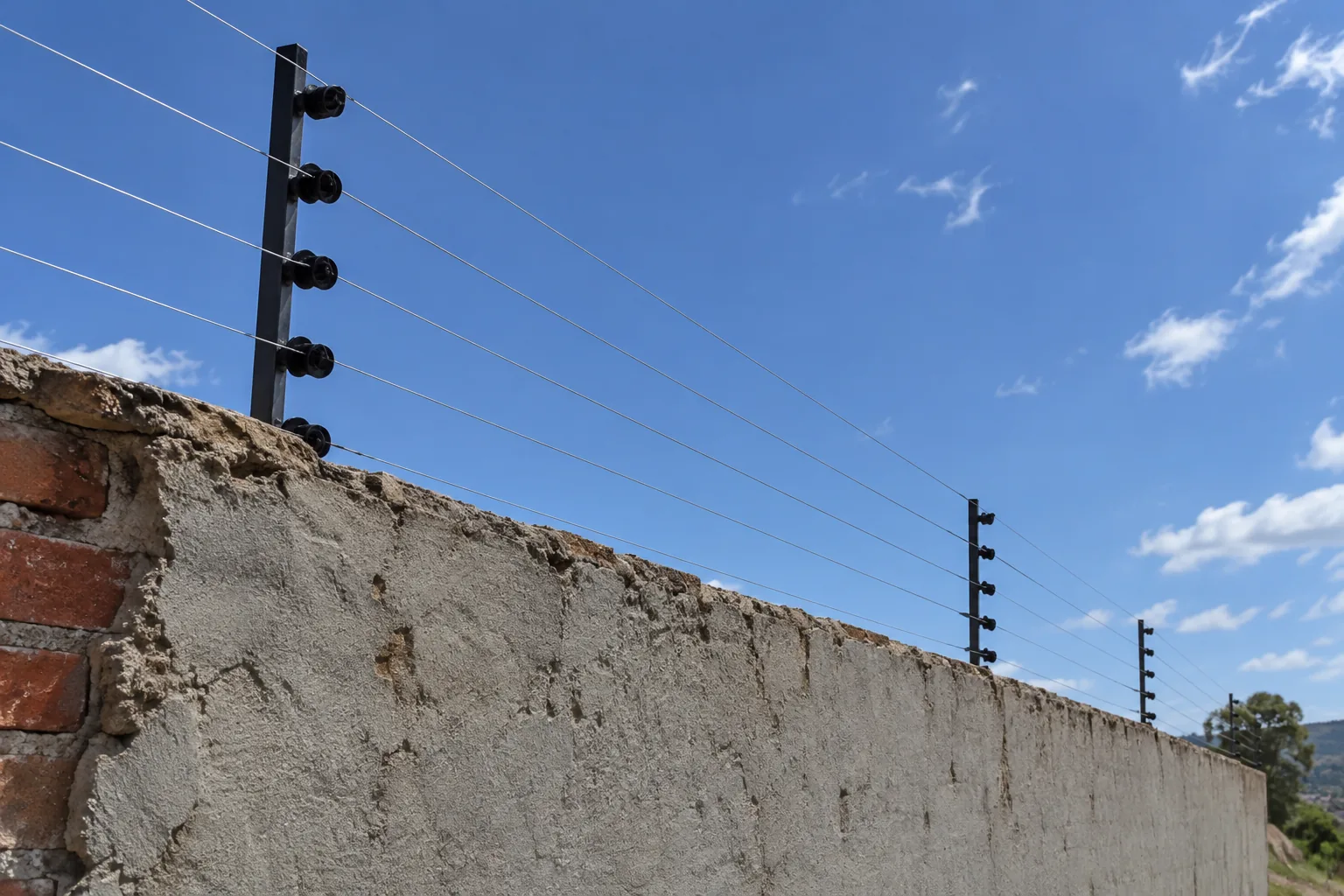
- The electric fence system certificate of compliance. It covers the fence itself: wires, brackets, energiser, earthing and signs. Trade sources place it under the Electrical Machinery Regulations of the Occupational Health and Safety Act.
- The normal electrical certificate of compliance. It covers the building's wiring and falls under the Electrical Installation Regulations. It is a separate document.
The electric fence certificate confirms that the fence meets the installation, material and quality rules in the standard SANS 10222-3. The installer works to the version of the standard that applies to your installation, so ask which one.
Three situations are worth keeping apart:
- A valid certificate for the installation. Trade sources say a fence installed after 1 October 2012 should have one, and it stays valid while the system is unaltered.
- A new or replacement certificate. Sources say this is needed when a fence is new, extended, re-installed, restrung or altered.
- Minor repairs. Sources differ on where a small repair ends, so ask the installer; the repairs page sets out what they say. See electric fence repairs.
Stay safe around a fence
- Never touch, test or clear a fence yourself.
- Keep children and pets clear of the fence line and the energiser.
- The installer isolates the system, stops it being switched back on, and checks that it is dead before any work near the wires, posts or brackets.
- Leave repairs and alterations to the installer.
Treat every electric fence as live until the installer says otherwise.
Why can't I sign my own certificate?
Only an Electric Fence System Installer registered with the Department of Employment and Labour can issue it. The certificate is the installer's declaration about the finished system. A homeowner, a handyman or a general electrician who is not registered as an electric fence installer cannot issue one.
Because the certificate rests on the installer's own inspection, the installer who did the work is normally the one who issues it.
How an installation goes
- Site walk. Decide where the fence runs, where the gates are, and whether it sits on a wall, on a fence or stands alone.
- Plan the layout. Wire spacing, brackets, corners, gate crossings and where the energiser and earth go.
- Fix brackets and posts.
- Run the wire and connect it through insulators.
- Install the energiser and earthing.
- Fit warning signs. The standard sets rules for signs, and the installer places them to meet it.
- Test and certify. The installer inspects the finished system and, where it complies, issues the certificate.
Keep the certificate. A certificate may be needed when the property changes hands, so ask the installer. The electric fence certificate and the normal electrical certificate are separate documents.
What to ask an installer
- "Are you registered as an Electric Fence System Installer with the Department of Employment and Labour?"
- "Is the electric fence certificate in the quote?"
- "Does the energiser come with its own test certificate?"
- "How will the gates be wired?"
- "What happens at the certificate stage if something fails?"
What it adds to a quote
One Gauteng fencing operator lists these electric fencing extras on top of a clear view fence: wiring and brackets at R150 to R300 a metre, an energiser and battery at R4,000 to R8,500 together, and a certificate of compliance from a few hundred rand up to about R2,500. Those are one operator's figures, published 5 January 2026, not a market rate and not a quote. Your job's length, gates and layout decide the real number.
Ask about electric fencing
Say where you are, roughly how long the run is, and whether the fence goes on a wall, on clear view panels or on its own. We'll phone to explain what the installation and the certificate involve.
Sources for the figures on this page
- Electric fence certificate (EFC) needed in addition to the electrical CoC; work after 1 Oct 2012 on new, re-installed, restrung, extended or altered fences must comply with SANS 10222-3 and have a valid EFC; an EFC stays valid while the system is unaltered and the original goes to the buyer on transfer; an older fence may need an EFC when the property is sold; only a registered Electric Fence System Installer may issue it; EFC falls under the Electrical Machinery Regulations, electrical CoC under the Electrical Installation Regulations; broken wires and bobbins need no new EFC (ECASA, 2 Dec 2019, reopened 8 Nov 2026; it cites a clause of the Electrical Machinery Regulations without a verified regulation number, so none is quoted) ecasa.co.za
- Electrical Machinery Regulations under the Occupational Health and Safety Act as the legal basis; SANS 10222-3 named, no edition quoted; CoC for installations, extensions or upgrades after Oct 2012; only a registered installer can certify; homeowners cannot certify their own work (Armed Response guide, undated, checked 7 Nov 2026) armed-response.co.za
- Electric fencing extras: wiring and brackets R150 to R300 a metre; energiser and battery R4,000 to R8,500; certificate of compliance a few hundred rand up to about R2,500 (Bastion Perimeter, published 5 Jan 2026) bastionperimeter.co.za